Web Designing

Web Development

Wordle’s desi avatars are taking over the online world

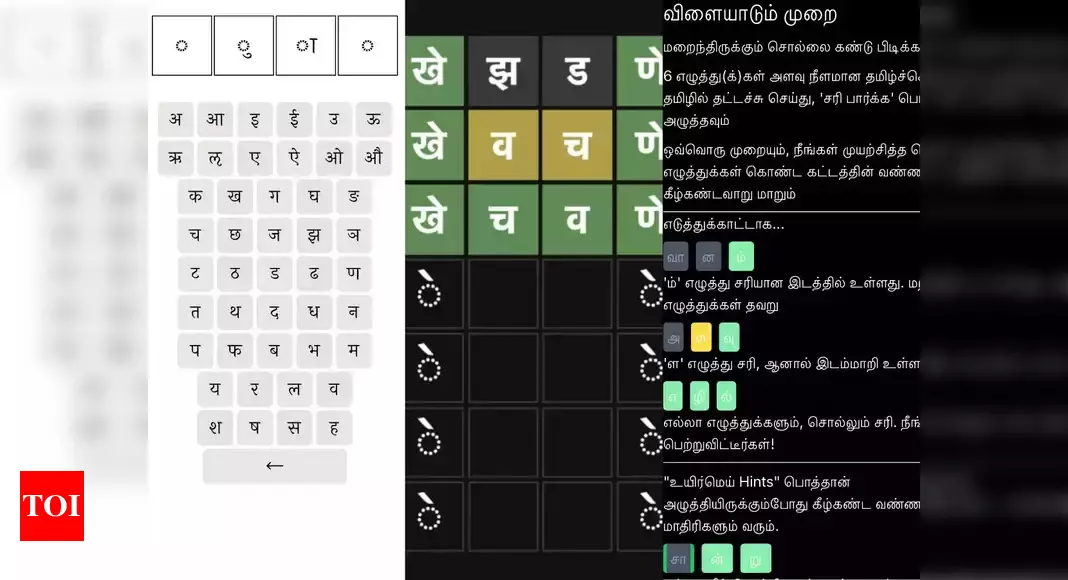
Since its launch in December last year, Wordle has garnered a large following online. Many Indians have also become engrossed in the game and now, the love for the word puzzle has reached new heights with the creation of various desi versions by web developers and game enthusiasts. These versions include Hindi, Marathi, Tamil, Kashmiri, Odia, and more. Are you ready to tackle the words, accents, and diacritical marks in these new versions?

How about playing Tamilaadal or Shabdle?

Just like Wordle creator Josh Wardle’s backstory about the puzzle’s creation, P Sankar, a software architect from Chennai, has an interesting story behind Tamilaadal. Sankar came up with the idea for the Tamil version to make his daughter more interested in her native language. “As the game gained popularity within my Twitter circle, I wanted to give it a new twist. I developed a Tamil version for my daughter and shared it on Twitter, expecting a few friends to join me. However, it became a hit,” he says.

Similarly, Aditya Mhatre, a senior software engineer from Maharashtra currently based in Dallas, Texas, got the idea to create a Marathi version of the puzzle after spending a sleepless night playing Wordle due to jetlag. “Many people are not familiar with a lot of English words. So, I thought, why not create a version in Marathi for Marathi-speaking individuals,” wrote Aditya in an online post on LinkedIn. He spent approximately 11 hours creating Shabdle.

Wordle enthusiasts around the world have created about 770 versions in 149 languages. These versions celebrate linguistic diversity, explore playful creativity, and provide fun experiences.

Although these versions are based on Wordle, they have language-specific modifications and offer more attempts. For example, Shabdle gives players seven tries and presents a new word with each page load. Tamilaadal features words ranging from five to eight letters. Shabdarasa, the Odia version, allows eight attempts per day. Shabdak, another Marathi version, only provides three slots for letters. The Kashmiri version, Accher, developed by Haider Ali Punjabi, gives users eight attempts in the Urdu font. Additionally, there are Sanskrit, Punjabi, Telugu, Hindi, Kannada, Malayalam, and Urdu versions available.
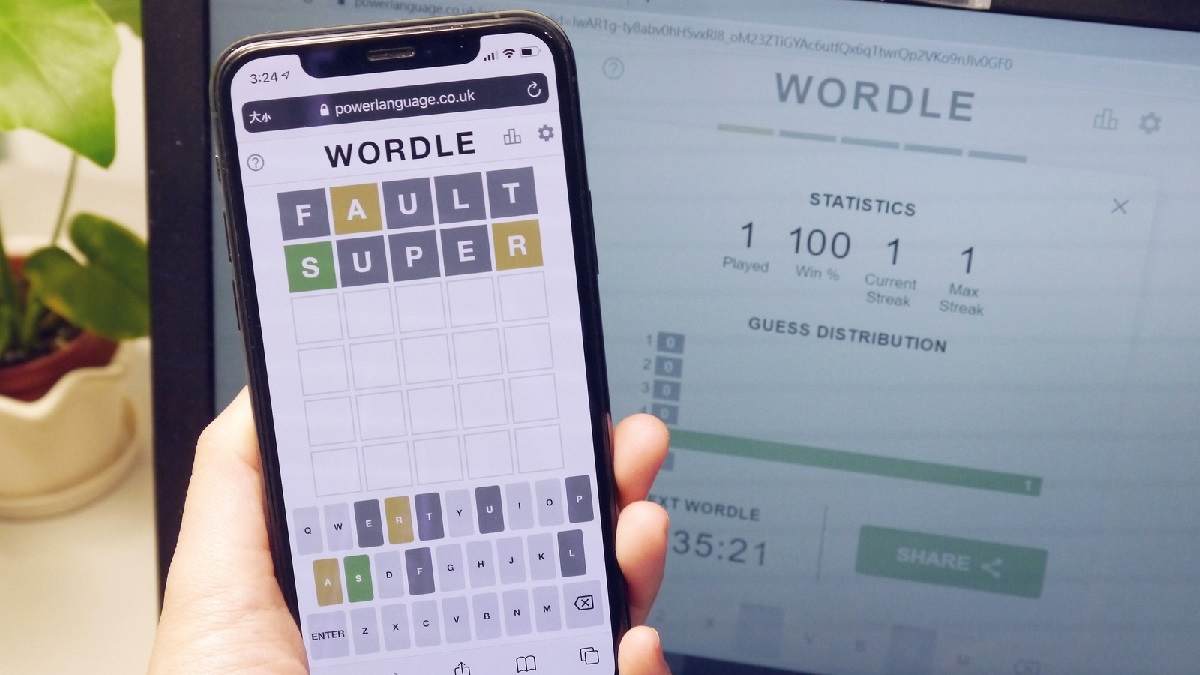
But the Wordle universe doesn’t stop with desi versions. Pop culture fictional universes have also inspired interesting variants. There is a Klingon version based on the fictional language spoken by an alien race in the popular Star Trek universe. Potterheads can enjoy Wizarding or HP Wordle. Fans of Lord of the Rings and Star Wars also have their own versions. Even Taylor Swift and BTS have Wordle versions related to their songs.

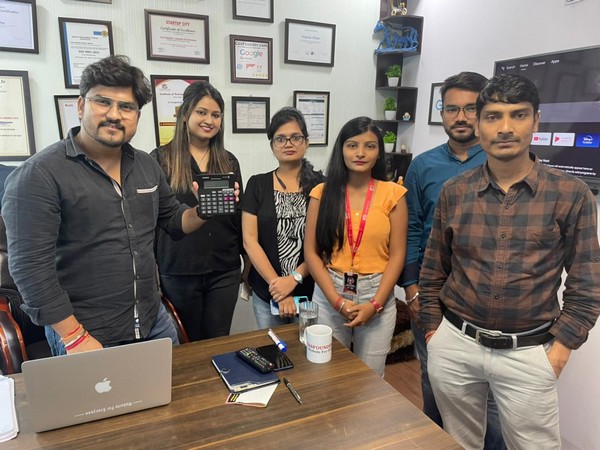
CSS Founder, a web design company, is creating sensation with its global reach

In an ambitious effort to become leaders in website design, CSS Founder, an India-based company, is on a mission to provide websites for everyone. They have a strong digital presence and are committed to the principles of “Digital India,” which aims to empower Indian businesses to excel nationally and internationally. CSS Founder has established itself as one of India’s top website design firms and offers a comprehensive range of services to create websites for various clients.

The company leases application capabilities from a single data center and offers a variety of applications, including enterprise resource planning, e-commerce, productivity, and customer relationship management suites. They specialize in hosted applications such as sales automation and customer care.

With nearly eight years of experience in web development and website design, CSS Founder is a recognized leader in the industry. Their skilled team works tirelessly to produce top-quality websites, considering the client’s budget and requirements. Their websites consistently rank highly in global search results, serving as an inspiration to others.

CSS Founder is also known for their commitment to social initiatives. They provide free meals and distribute food to those in need. Their proactive strategies and dedication to the masses have earned them a global reputation for outstanding service and value in website design. The company’s vision is to make websites accessible to everyone and create employment opportunities in India for global campaigns and contracts. They are setting a new standard for businesses by demonstrating concern and respect for society. CSS Founder’s innovative approach and focused vision are leading the way towards positive change and creating a league of businesses that prioritize both success and social responsibility.

Microsoft and Google come together to enhance their app libraries

Tech giant Microsoft has partnered with Google to assist web developers in getting their Progressive Web Apps (PWAs) into the Play Store. Thurrot reports that apps created using Microsoft’s PWABuilder tool will now utilize Google’s Bubblewrap utility and library to generate and sign Google Play Store packages from PWAs.

According to Judah Gabriel Himango from Microsoft, “We are pleased to announce a new collaboration between Microsoft and Google that benefits the web developer community. Microsoft’s PWABuilder and Google’s Bubblewrap are now working together to help developers publish PWAs in the Google Play Store.”

PWAs utilize emerging web browser APIs and features alongside traditional progressive enhancement strategies. PWABuilder.com is an open-source developer tool from Microsoft that assists in building high-quality PWAs and releasing them in app stores.

The report states that both companies have made significant progress in integrating the tools. Himango explains that PWABuilder utilizes Bubblewrap “under the hood,” allowing developers to package PWAs for the Play Store with PWABuilder, supporting the new web shortcuts standard.

The PWABuilder also offers support for a wide range of full trusted web activity options, enhancing the functionality of PWAs on Android. Developers can customize the appearance of the Android status bar and navigation bar in PWAs using the PWABuilder.

Himango concludes, “Google and Microsoft are collaborating to create a more capable app platform on the web. We are also working with Google on Project Fugu to develop new web platform features, with PWAs at the forefront, to standardize and benefit everyone.”

Chrome 103 beta is now live: What’s new coming to the web browser

Google recently introduced the stable update of Chrome 102 to its users. Shortly after, the company released Chrome 103 to the beta channel, allowing users to experience the upcoming features of the web browser.

The beta update of Chrome 103 includes various minor improvements and new features. These enhancements primarily focus on the backend to deliver a better browsing experience and improve overall speed. Here is a comprehensive list of the additions in the Chrome 103 update.

1. Faster website loading speed: Chrome 103 introduces support for the 103 Early Hints HTTP response code for navigation. With this feature, Chromium attempts to preload, preconnect, and prefetch specified resources before receiving the final response. This provides web developers with the opportunity to optimize vital web elements like Largest Contentful Paint (LCP).


2. Local Font Access: Another noticeable addition in the Chrome 103 update is the ability to access local fonts. Web applications can now enumerate local fonts and obtain metadata about each font. Additionally, the new API grants web applications access to table data stored within local fonts, enabling them to render these fonts using custom text stacks within their applications.

3. Support for .avif for Web Share: The .avif image file format is now shareable using Web Share. While the Web Share API is already available on platforms like ChromeOS and Windows, support for avif was previously lacking.

Polygon and AlmaBetter partner for Web3 education

Amid a significant demand-supply gap in Web3 talent, tech upskilling platform AlmaBetter has partnered with Ethereum scaling blockchain firm Polygon to offer programs in blockchain and Web3 development.

Polygon will serve as AlmaBetter’s official curriculum and hiring partner, providing specially curated and designed programs for students and young professionals in line with industry requirements and demand. These programs will be accessible on the AlmaBetter platform and aim to reach 100,000 students by March 2023.

The program is open to all individuals, regardless of prior domain experience, and follows a pay-after-placement model. Upon completing the program, students will be offered placement opportunities. Polygon has also committed to rewarding the top performers with $MATIC coins upon successful completion of the course.

Spanning 28 weeks, the program will cover the fundamentals of full stack web development, with a specialization in Web3 development. It encompasses basic programming, system design, cloud services, and blockchain technology.

The curriculum comprises five modules: Programming Web with Basic Javascript, Frontend Development, Backend Development, System Design and Architecture, and Web 3.0 Blockchain Technology. Interested individuals can now enroll in the program, with a nominal refundable security fee, to kickstart their careers in Web3.

According to a NASSCOM report, it is projected that over the next few years, the country will witness the creation of over 800,000 jobs in blockchain and other Web3-related fields.

Demand rises for web designers knowing JAVA, Cloud, HTML

With an increase in digital businesses and consumers going online in a post-pandemic world, the need to improve the quality of websites has become important. United Nations Conference on Trade and Development (UNCTAD) highlights exponential e-commerce growth in developing countries. To offer a better user interface (UI) and user experiences (UX) there is a need for web developers and designers. According to an internship and training platform Internshala, enrolments in web development course has also increased by 230% from 2017 to 2021. Other than private firms, web designers, developers are also recruited by government organisations including police departments. Recently Haryana Police advertised for the post of web designers.

Sujit Kumar Chakrabarti, associate professor, IIIT Bangalore says a large portion of web traffic comes through mobile phones. “Increasing penetration of smartphones has increased the demand for responsive websites for all devices. This has led to an increase in demand for those who have expertise in web designing and development,” says Chakrabarti. He advises students willing to opt for this as a career option and also improve the fundamental knowledge of software design, engineering principles.

Priti Gangwar, chief operating officer, Arena Animation, Preet Vihar, New Delhi, says students are taking up animation, web development, VFX and gaming among other courses as the job demand has increased.

“Students from Tier II and III cities are enrolling in a web designing course. Many of them lack proper information and need to be counselled well to help choose the right course,” says Gangwar. She adds that this field has immense career opportunities to offer as a VFS designer, 3D lighting artist, animator, motion graphic designer to name a few, but most students are not aware.

Popular among workforce

“We operate in times where technology is overshadowing every industry, pushing the workforce towards the need to acquire new in-demand skills and adapt to future jobs. Programming languages such as Java, Python, C/C++, etc. will continue to dominate the job spaces, as employers are constantly scouting for professionals who can quickly adapt to the dynamic technology terrain,” says Mayank Kumar, MD, upGrad.

Talking about the trends, Kumar says that software development vertical – which includes online courses around Java, OODAP, DSA, JavaScript, HTML5, CSS3, JavaScript, MERN, AWS, SQL & NoSQL etc. along with Cloud Native specialisation, is getting popular among the current workforce. “We have seen 120% increased intent in enrollment for our software development programmes in 2021 as compared to the previous year. Such growing numbers are also indicative of the industry demands. Therefore, the demand will only increase from here and there is a life-long learning era upon us that will require professionals to quickly adapt to the evolving circumstances for maximizing the business growth,” adds Kumar.

Shakun Bansal, VP & head – Marketing and Growth at Mercer|Mettl says, “People with knowledge of programming languages such as HTML, JavaScript etc are needed to work as the content coder and backend coder to create beautiful content and interfaces of the apps and websites.”

Additionally, candidates with expertise in programming languages says Arjun Nair, co- founder, Great Learning, are hired for roles like software engineers, full stack engineers, backend engineers, graduate engineer trainee, member of technical staff, software developer, programmer analyst, quality analyst, database administrator, production support engineer.

“Startups, MNCs, financial organisations, consulting companies and government bodies, are all in search for experts in full stack web development. Freshers and early-stage professionals aspiring for a career in this domain, require industry-relevant skills to bag these jobs. Unsurprisingly, upskilling has proven to be the best path to enable them to power ahead in their careers,” says Nair.

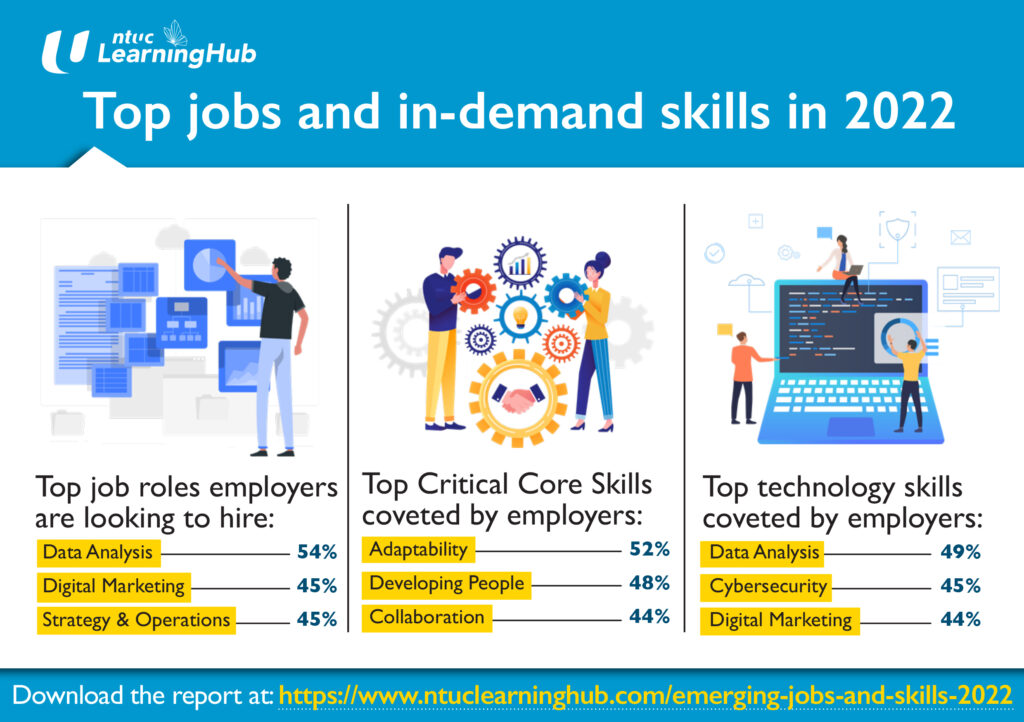
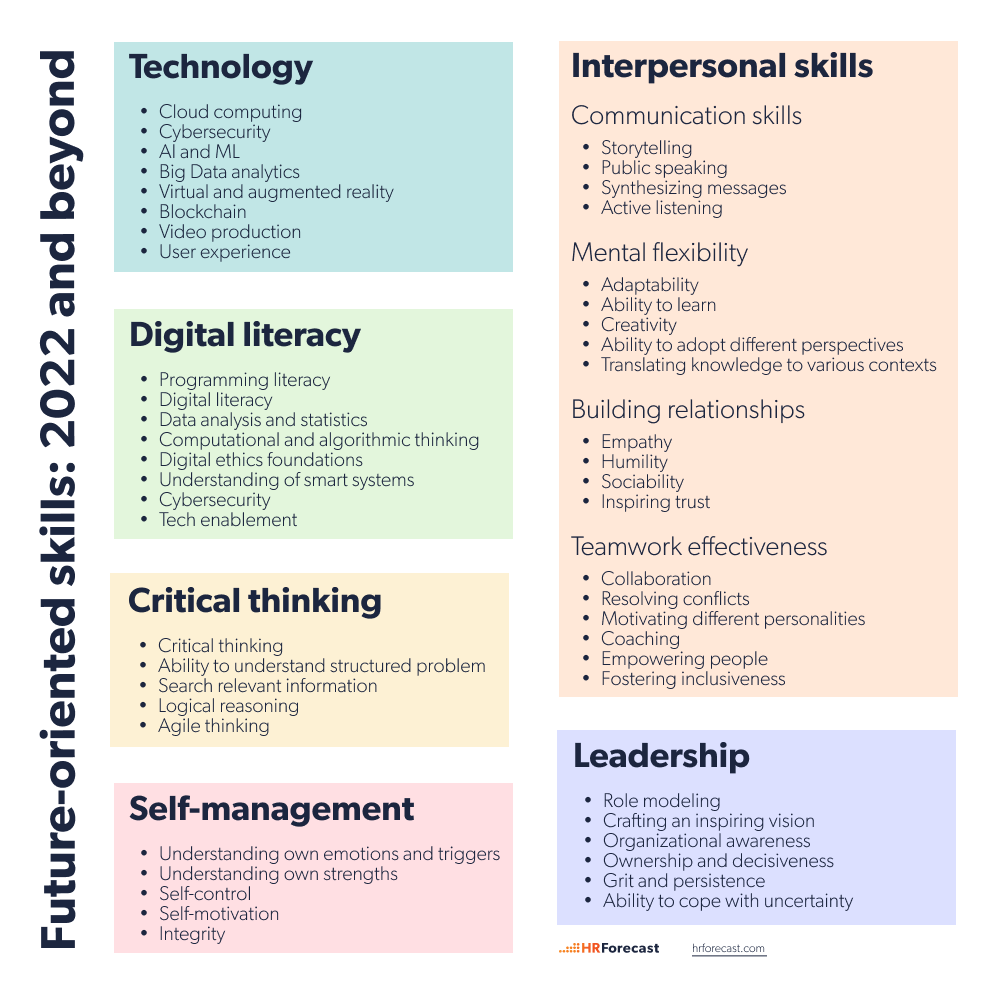
Jobs, skills that will be in demand in 2022

Technological advancements in business operations have brought about reforms across sectors with the implementation of several measures to adapt to the needs of the digital age. The introduction of technology within organizations has caused delays in expansion plans and the launch of new services due to a lack of experienced, skilled, and talented personnel.

While technologies like artificial intelligence, machine learning, and data analytics will bring about a fundamental change to meet the requirements in the coming decades, the pandemic has accelerated their implementation, causing several digital disruptions to ensure continuity across sectors. These changes have resulted in a demand for skilled professionals across various domains. The rapid advancements made by technology will drive shifts in the job market.

Businesses have had to pivot and change their operational processes in order to survive and thrive, necessitating a large portion of the workforce to learn new skills. According to the World Economic Forum, 65 percent of children entering primary school will be employed in jobs that are currently unheard of. Google’s recent decision to launch their new Google Cloud Skills program, which aims to train 40 million people, reflects their initiative to evolve with changing times and prepare learners for the future job market. Therefore, upskilling and reskilling will improve employment prospects, and learners who stay updated with modern learning will advance in their careers.

To ensure that learners are gainfully employed across various sectors, we have identified skills that are projected to be in demand in 2022.

Data Science:
Data has become crucial for businesses, and worldwide data is expected to exceed 149 zettabytes by 2024, up from just two zettabytes a decade ago. Industries will require trained professionals who can extract useful information from this vast amount of data. Businesses will increasingly rely on relevant and valuable insights derived from data to enhance the consumer experience and gain a competitive edge. Therefore, data scientists will be highly sought-after professionals in the next decade. Currently, skilled professionals in this field are scarce, and organizations are willing to offer higher salaries to attract them. Aspiring data scientists should focus on learning computer languages, advanced analytics, and refining their statistical and data mining skills.

Machine Learning:
Machine learning, a subset of artificial intelligence, has become one of the most desirable skills in the technology field. As companies adopt automation tools to anticipate consumer needs, the demand for machine learning professionals will significantly increase. The Wall Street Journal has previously reported that job postings for AI professionals in the U.S. nearly doubled between November 2020 and March 2021. Data scientists and machine learning professionals have overlapping roles, as both work with large datasets. While data scientists extract valuable insights from vast amounts of data, machine learning scientists ensure that the models and simulations used by data scientists are accurate and can analyze massive amounts of data in real time. The intersection of these fields leads to results that were previously unthinkable. Professionals who acquire skills in either of these fields will greatly benefit during the recruitment process.

Full-Stack Coding:
The demand for full-stack coders is increasing as companies seek skilled computer programmers who can handle both the front and back end of development. Full-stack experts work as web developers or engineers, responsible for building user interfaces, collaborating with clients during project planning, and participating in every phase of development. As a result, the demand for these professionals is high. According to employment website Indeed, full-stack developer jobs ranked second on the list of Best Jobs of 2020, and their popularity continues to grow due to the increasing presence of software and applications in our digitally connected world. Those interested in pursuing a career in this field should possess excellent attention to detail and strong organizational skills.

As our economies and industries embrace a tech-driven future, these skills will be in high demand. Cybersecurity, robotics, cloud computing, blockchain, AR and VR, and related fields are on the brink of a boom. The common thread connecting these trends is the eventual necessity of technology-based skills across all industries. For example, today’s engineers, regardless of their specialization in mechanical or civil engineering, are expected to have coding knowledge. This push towards programming is even reflected in the New Education Policy 2020, which includes coding as a skill to be taught in schools.

Employers now assess candidates’ employability based on their skill sets, including the core skills required for a job role as well as additional abilities they bring to the table. An engineer who can effectively leverage their coding skills will be highly employable and valuable across teams.